
I’m a little surprised that I’ve never received one—not that I want one—no one does. When I served a small church in my 30s, and someone asked me if I’d ever received an anonymous letter or email; I said, “Nope. The ones that have an issue with me usually just tell me!”
I had a pastor friend give me some advice early on in ministry. He said that if I ever received one, just throw it away. If they couldn’t bring themselves to sign it, they probably didn’t mean it! Another one said, “I told our church that I’d let them know if I received one and they could come forward privately to claim it. If no one did, I’d post it on the bulletin board for all to see.” Bold!
Receiving an anonymous letter can be disheartening, especially for a younger leader navigating early ministry challenges. These letters often stem from unmet expectations, personal hurts, or misguided attempts at “correction.” While it’s tempting to dwell on them, the key is to respond with wisdom, grace, and a focus on your calling.
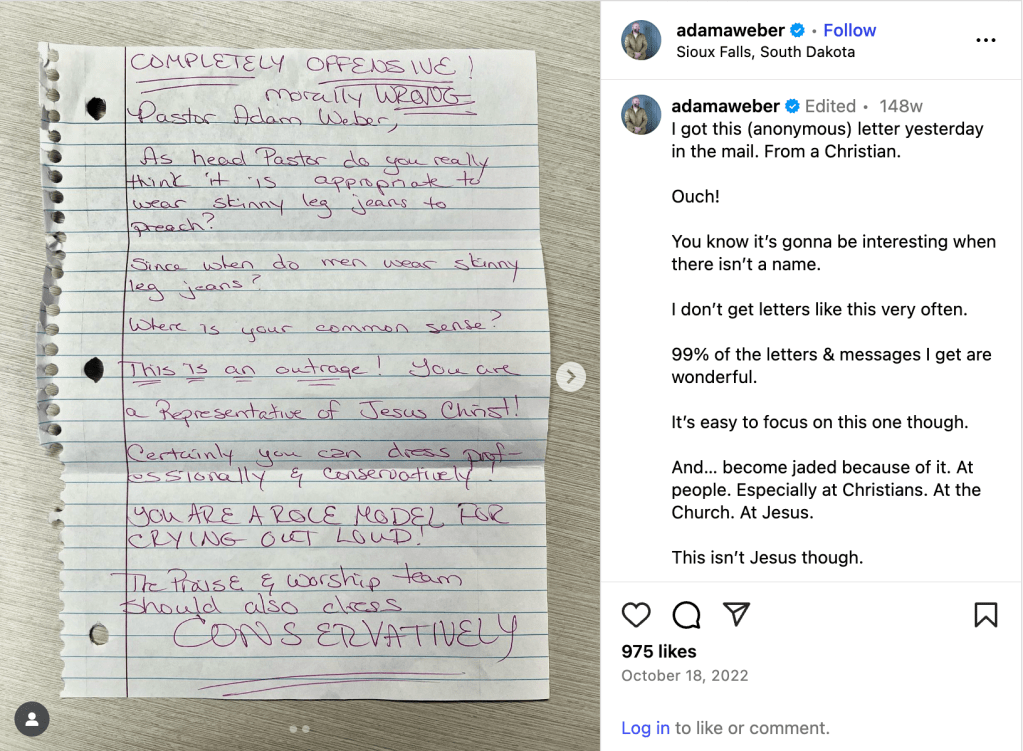
Why Anonymous Letters Are Not Okay
Anonymous letters undermine healthy communication and community in several ways:
- They Promote Cowardice and Avoid Accountability: By hiding the sender’s identity, these letters prevent open dialogue, clarification, or reconciliation. This reflects a lack of courage and maturity, as the writer avoids potential consequences or follow-up.
- They Can Foster Division and Gossip: Without a named source, rumors can spread unchecked, creating toxicity in the church. This distracts from unity and ministry, turning minor issues into major disruptions.
- They Hinder Personal Growth and Resolution: Legitimate concerns deserve context and discussion. Anonymity assumes the recipient knows the whole story, often leading to misunderstandings or unaddressed pain.
- They May Be Legally or Ethically Risky: If the letter contains serious allegations (e.g., misconduct involving minors), ignoring it entirely could expose you or the church to negligence claims, as courts have ruled that verifiable accusations warrant investigation, even if anonymous. However, frivolous or vague complaints don’t carry the same weight.
- These letters rarely strengthen the body of Christ; instead, they tear it down, often reflecting the sender’s unresolved issues rather than constructive feedback. We should ask ourselves, “I’m going through a lot of trouble trying to hide my identity from this person. Why? Is what I’m saying inappropriate? Am I ashamed of what I’m writing?”
Biblical Principles to Follow
The Bible provides clear guidance on conflict, communication, and leadership, emphasizing directness, love, and unity over anonymity. Key principles include:
- Direct Confrontation for Reconciliation: Matthew 18:15-17 instructs that if someone sins against you, go to them privately first, involve witnesses if needed, and escalate to the church only as a last resort. Anonymity eliminates this process, preventing restoration and treating the offender (or offended) as an enemy rather than a brother or sister in Christ.
- Speaking the Truth in Love: Ephesians 4:15 calls believers to address issues openly and lovingly to promote maturity in the body. Anonymous letters lack love and don’t allow for gentle restoration (Galatians 6:1) or mutual understanding.
- Protecting Unity and Avoiding Division: Ephesians 4:3-6 urges eagerness to maintain the bond of peace. Anonymous complaints can sow discord, which Titus 3:10 warns against by advising to reject divisive people after warnings.
- Handling Accusations Against Leaders: 1 Timothy 5:19 states that charges against an elder should not be entertained without two or three witnesses. Anonymity fails this standard, as there’s no verifiable source or corroboration.
- Prayer and Gentleness in Response: James 1:5 encourages seeking wisdom from God, and praying for both your heart and the sender aligns with Jesus’ command to pray for those who persecute you (Matthew 5:44). This guards against bitterness and focuses on God’s sovereignty. These principles highlight that God’s design for the church is relational and accountable, not hidden or accusatory.
The Best Way to Move Forward After Receiving One
Handling an anonymous letter requires a balanced approach: don’t ignore potential truth, but don’t let it derail your ministry.
- Pray Immediately: Start by seeking God’s wisdom and peace. Pray for your heart to avoid discouragement or defensiveness, and intercede for the sender, recognizing their possible pain or immaturity. This shifts focus from hurt to humility (Philippians 4:6-7).
- Evaluate Briefly but Wisely: Read it once to discern if there’s any kernel of truth or a serious allegation (e.g., legal or safety concerns). If it’s vague criticism, apply the “toss-it principle”—discard it quickly to avoid dwelling. For serious claims, investigate discreetly (e.g., check facts or consult legal counsel) to protect the vulnerable, as moral and legal duty may require action.
- Seek Counsel from Trusted Leaders: Share it with a small group of mature elders or mentors for perspective. This provides accountability and helps unify leadership. Avoid going solo, as Proverbs 11:14 notes safety in many counselors.
- Address It Appropriately (If Needed): If the letter has spread or caused division, respond publicly in a non-worship setting (e.g., a leader’s meeting). Direct people to Scripture on conflict resolution, and establish a church policy: “We don’t accept anonymous complaints; come directly as Matthew 18 instructs.” This discourages future ones without giving the letter undue attention.
- Move On with Faithfulness: Refocus on your core calling—preaching, discipling, and shepherding (1 Corinthians 4:1-2). Healthy leaders don’t linger; they trust God with outcomes. Surround yourself with encouragers, journal lessons learned, and remember that criticism often says more about the critic than you.
What if you have sent an anonymous letter sometime in the past? I’d encourage you with Scripture’s call to humility and restoration. Acknowledge courage in reflecting on your actions, as this shows the Holy Spirit’s work in your heart (Psalm 51:10-12). God’s grace covers all sin when we repent (1 John 1:9). Take a step of faith by approaching the person directly, as Matthew 18:15 urges, to seek forgiveness and rebuild trust. This open act honors God’s community design and allows healing for both parties.
Honesty and love should guide communication (Ephesians 4:15, 32). Sending an anonymous letter may have come from hurt or fear, but God calls us to speak truth with gentleness, fostering unity rather than division (Colossians 3:12-14). Pray for the person you wrote to, asking God to heal any wounds caused (Matthew 5:44), and to rest in the assurance that God’s mercy is new every morning (Lamentations 3:22-23). You can model grace by engaging others with courage and compassion.
 Toby DeHay